📺Beyond the Screen: What Young Children Need the Most in a Digital World
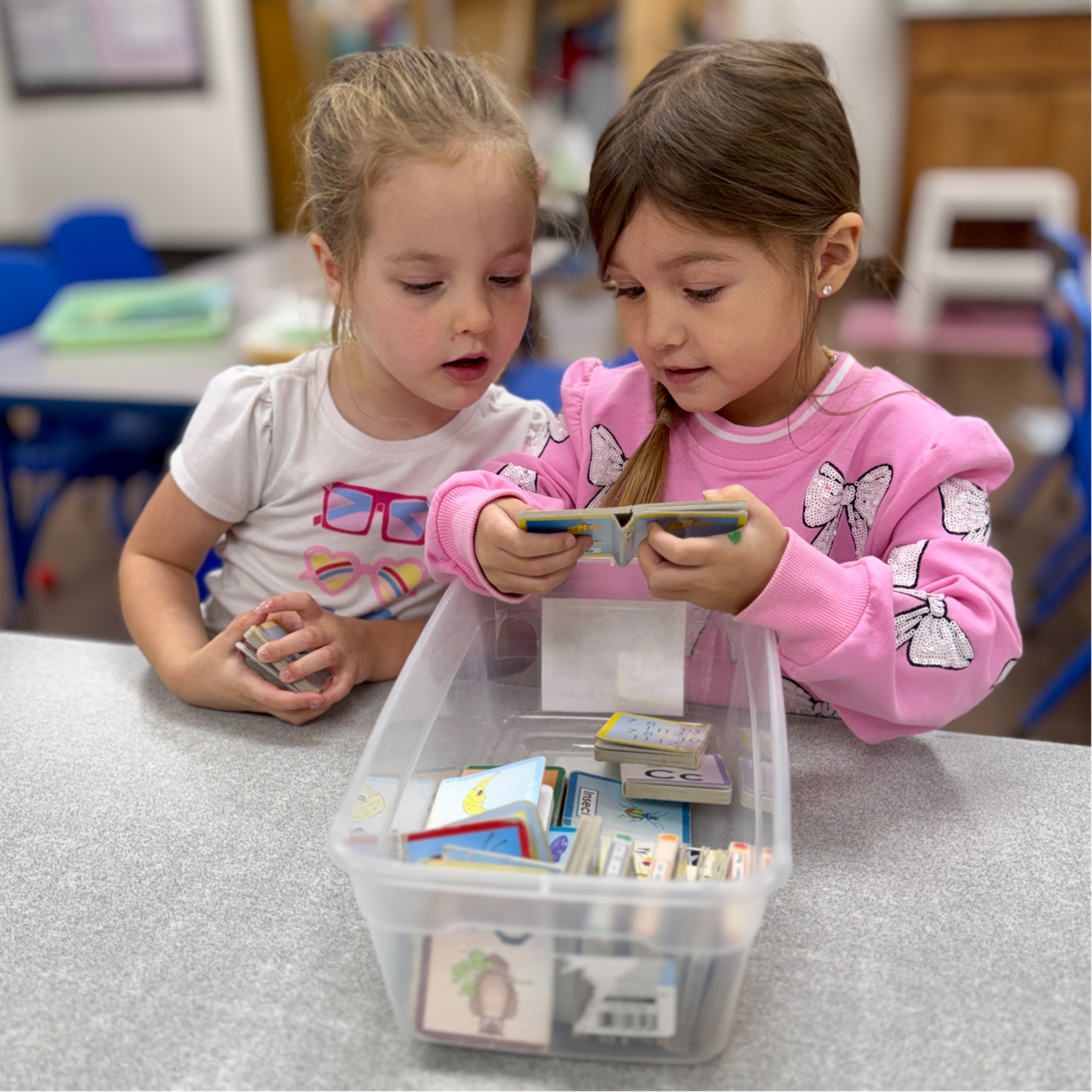
Let's be honest: parenting young children is a lot!
Between work, meals, laundry, errands, and everything else competing for our attention, sometimes turning on a show feels like the only way to get 10 minutes to ourselves. And sometimes, that is exactly what we need to get dinner started or finish a task.
There is no judgment here. Screens are part of modern life, and the goal isn't to make parents feel guilty for pressing play. It's to understand what young children need during these important years and how we can make screen time more intentional.
Birth through age five is a remarkable period of brain development. Children are learning to communicate, manage emotions, solve problems, and build relationships. Much of this learning happens through everyday experiences: building a tower, asking questions, pretending to cook, working through a disagreement, or figuring out how to put on their own shoes.
The concern isn't one episode of television. It's when screen time regularly replaces the real-life experiences children need to grow.
"We need to consider not only how long children watch, but also what they watch, how they watch, and what opportunities they miss while watching."
🧑🧑🧒🧒It's Not Just About Screen Time. It's About What It Replaces.
Not all screen time is the same. Watching a quality program with a parent is different from watching endless videos alone or having the television playing in the background all day.
A 2024 systematic review and meta-analysis published in JAMA Pediatrics examined 100 studies involving more than 176,000 children younger than six. Researchers found that the context of screen use including content and caregiver involvement matters for children's development. (Mallawaarachchi, Burley & Mavilidi, 2024)
The takeaway? We need to consider not only how long children watch, but also what they watch, how they watch, and what opportunities they miss while watching.
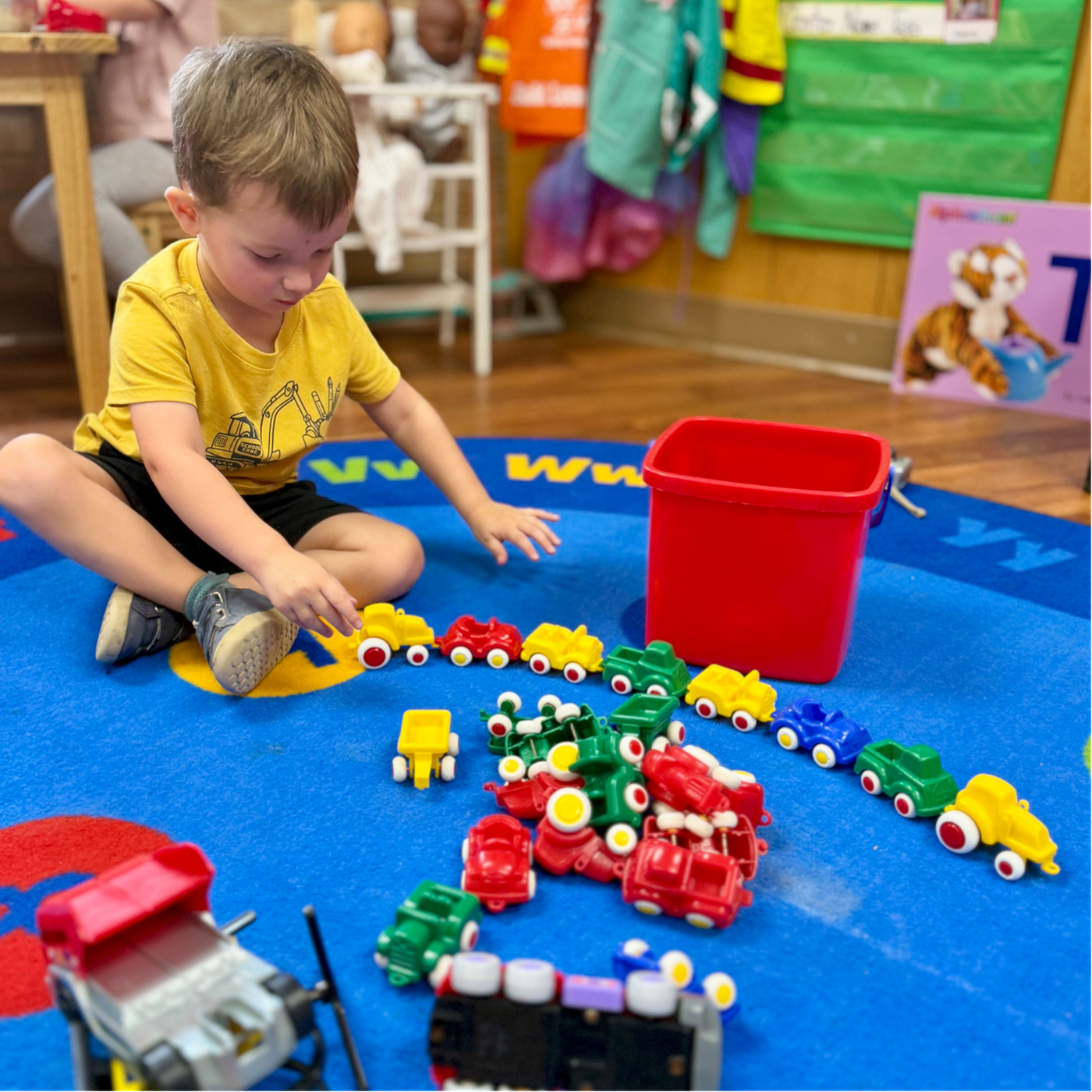
🧠1. Executive Function: Learning to Think Before We Act
Executive function helps children pay attention, remember instructions, control impulses, and solve problems.
Some programs move rapidly between scenes, sounds, and actions, providing constant stimulation without requiring much active thinking from the viewer. In a 2011 experiment published in Pediatrics, four-year-olds who watched a fast-paced cartoon for nine minutes performed less well on executive-function tasks immediately afterward than children who watched an educational cartoon or drew. The study examined short-term effects, not lasting harm, but it highlights why content and pacing deserve consideration. (Lillard & Peterson, 2011)
Think about a child building a block tower. When it falls, they must manage frustration, figure out what went wrong, and try again. Games like Simon Says, puzzles, pretend play, and following simple directions offer similar opportunities to practice thinking and self-control.
What might screens replace?
Opportunities to explore, experiment, and learn through hands-on play. Children discover cause and effect, practice trial and error, solve problems, and adjust their approach when things don’t work. These experiences build curiosity, attention, decision-making, and an understanding of how the world works.
How might this show up at school?
Children use executive function to follow directions, transition between activities, wait their turn, and persist when something is difficult. Play and everyday routines provide valuable opportunities to practice these skills.
Try this at home: Set out blocks, chunky puzzles, or toy animals with a simple challenge: “Can you build a house big enough for three animals?” Let your child experiment while you complete a nearby task.
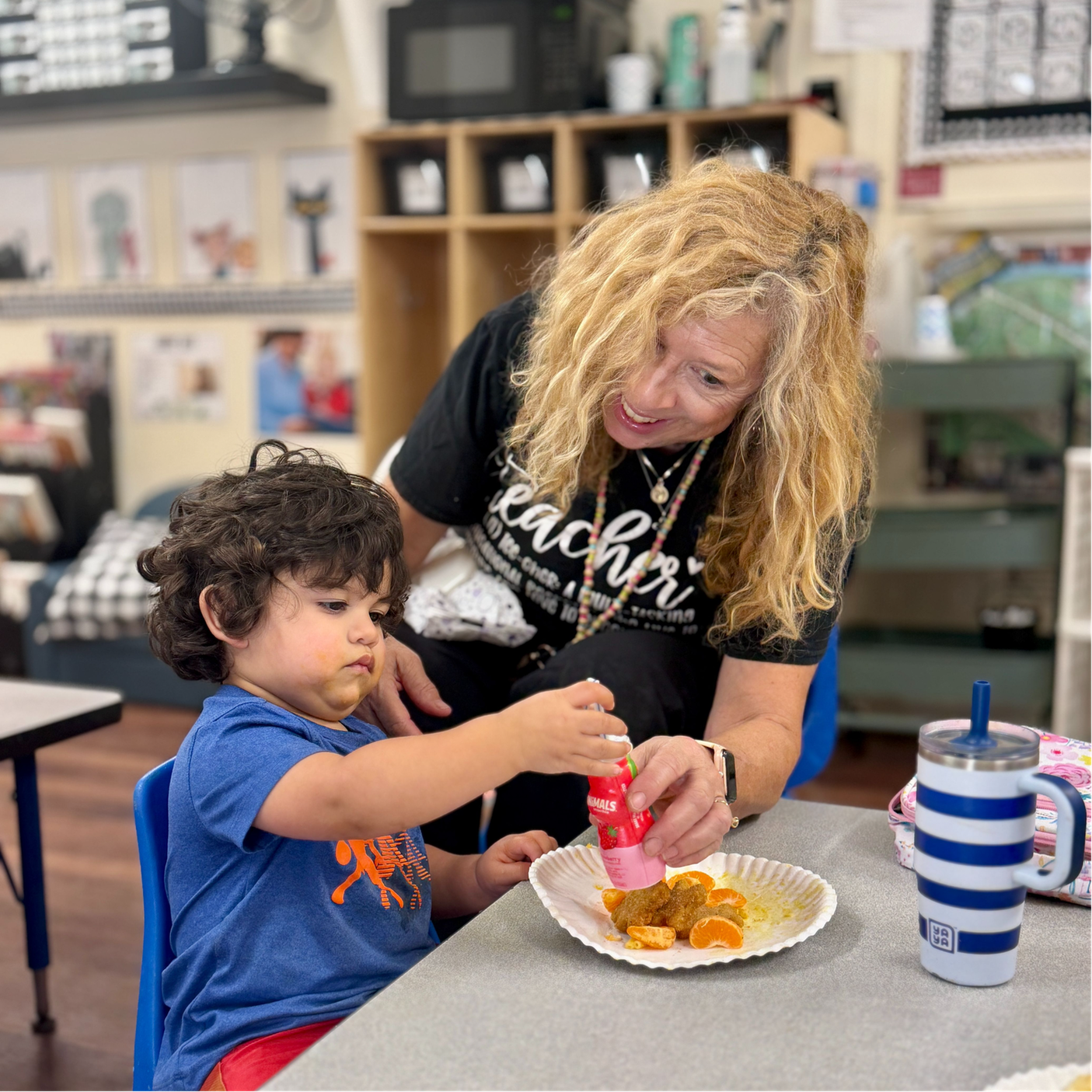
🗨️2. Language Development: More Than Learning New Words
Children develop language through conversations, stories, songs, and interactions with people who respond to their communication.
When a toddler points to a dog and an adult responds, “Look at that big brown dog!” the child hears new vocabulary connected to a real experience. When preschoolers play restaurant, they practice asking questions, listening, explaining, and taking turns speaking.
A 2020 systematic review and meta-analysis in JAMA Pediatrics, examining 42 studies involving 18,905 children, found that greater screen-use quantity was associated with poorer language skills, while educational programming and co-viewing with caregivers were positively associated with language skills. (Madigan, McArthur, Anhorn, Eirich, & Christakis, 2020)
A separate 2024 study found that greater screen time was associated with fewer adult words, child vocalizations, and back-and-forth conversational turns. (Mallawaarachchi, Burley & Mavilidi, 2024)
What might screens replace?
Conversations during meals, reading together, singing, pretend play, and the countless questions children ask throughout the day.
How might this show up at school?
Language helps children understand directions, explain their thinking, participate in group activities, resolve disagreements, and build early literacy skills.
Try this at home: Keep a basket of books near your workspace. Your child can look through familiar stories or retell them with stuffed animals. When you have a moment, ask, “What happened next?” Even a short conversation offers valuable practice.
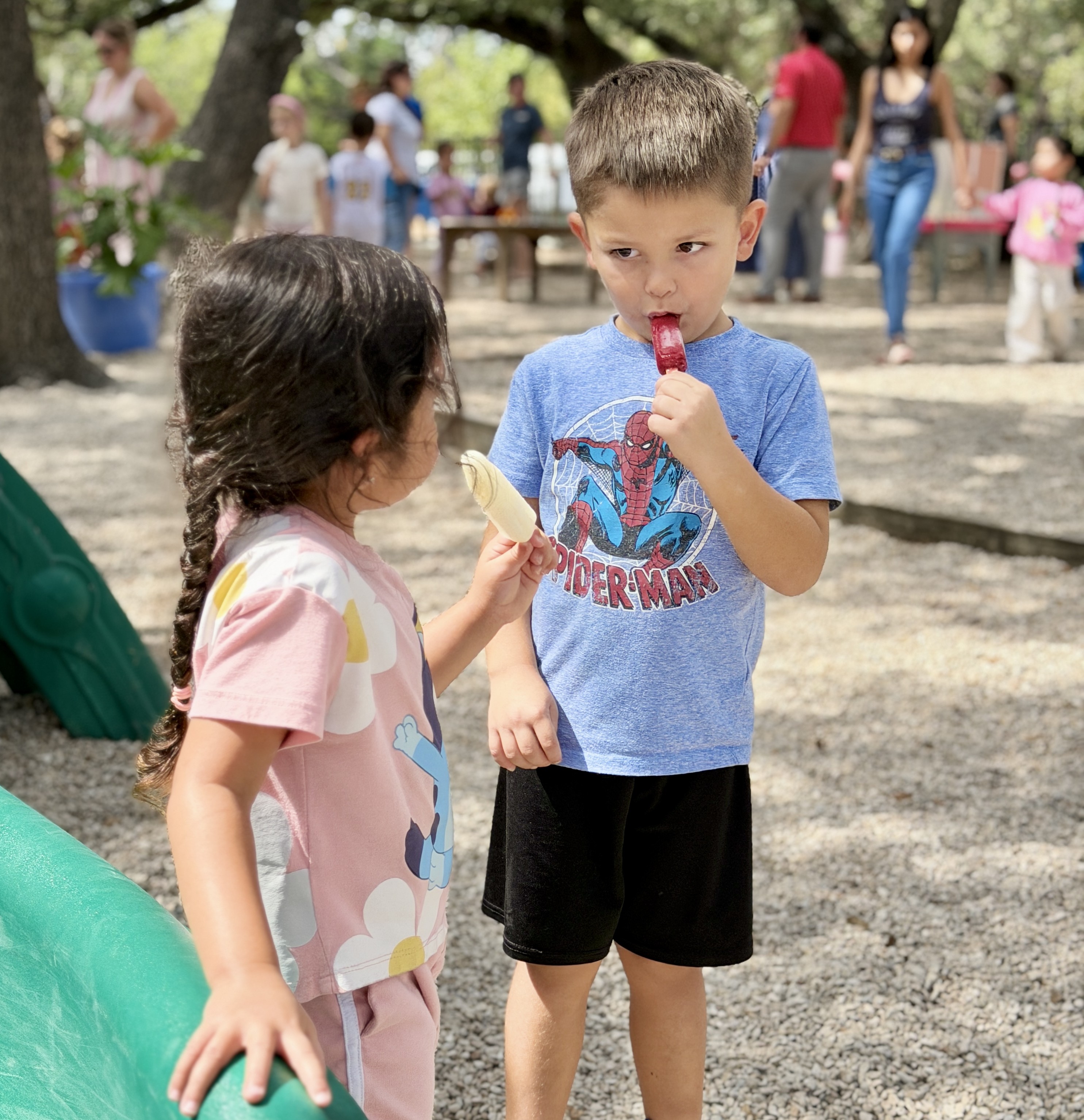
🧩3. Social-Emotional Development: Learning to Connect With Others
Children aren't born knowing how to share, manage disappointment, or resolve conflicts. They learn these skills through relationships and repeated practice.
When two children want the same toy, an adult can help them identify their feelings, express what they need, and work toward a solution. The interaction may involve tears and frustration, but it also offers an opportunity to learn empathy, cooperation, and problem-solving.
Stories and shows can introduce kindness and friendship, but watching a character demonstrate empathy is different from responding to a real person's feelings.
What might screens replace?
Playing with siblings or friends, negotiating roles during pretend play, noticing facial expressions, and learning how to repair disagreements.
How might this show up at school?
Children must navigate friendships, cooperate in groups, share materials, and recognize other people's perspectives. Those skills develop through practice, not simply by being told to be kind.
Try this at home: Set up a pretend restaurant, veterinary clinic, or baby doll care station. Invite your child to create a story and solve a simple problem, such as helping a stuffed animal that feels sad. These activities encourage imagination, language, and emotional understanding.
"...watching a character demonstrate empathy is different from responding to a real person's feelings."
🤯4. Behavior and Emotional Regulation: Learning to Handle Big Feelings
We've all seen it: the show ends, the screen turns off, and suddenly there's a meltdown.
Young children are still learning how to manage disappointment, frustration, and transitions. They need supportive adults and repeated opportunities to practice calming down, waiting, and trying again.
Screens can be useful when parents need a few minutes to prepare dinner or finish a task. The concern is when a screen becomes the automatic response to every moment of boredom or distress, leaving children fewer opportunities to develop other coping strategies.
Screen transitions can also be difficult for some children, particularly when videos automatically continue playing or a highly engaging program ends abruptly.
What might screens replace?
Opportunities to practice patience, tolerate boredom, and work through frustration. When children rely on screens to soothe every difficult feeling, they may have fewer chances to learn coping strategies, manage disappointment, and transition between activities with support.
How might this show up at school?
Classrooms involve waiting, shifting activities, coping with mistakes, and managing disappointment. Children benefit from practicing these skills in everyday situations before and during their school years.
Try this at home: Create a small “I can do it myself” basket with books, crayons, reusable stickers, or age-appropriate puzzles. Offer it when you need a few minutes. If your child becomes frustrated, acknowledge the feeling and help them choose what to do next.
The goal isn't to prevent big feelings. It's to help children learn how to work through them.
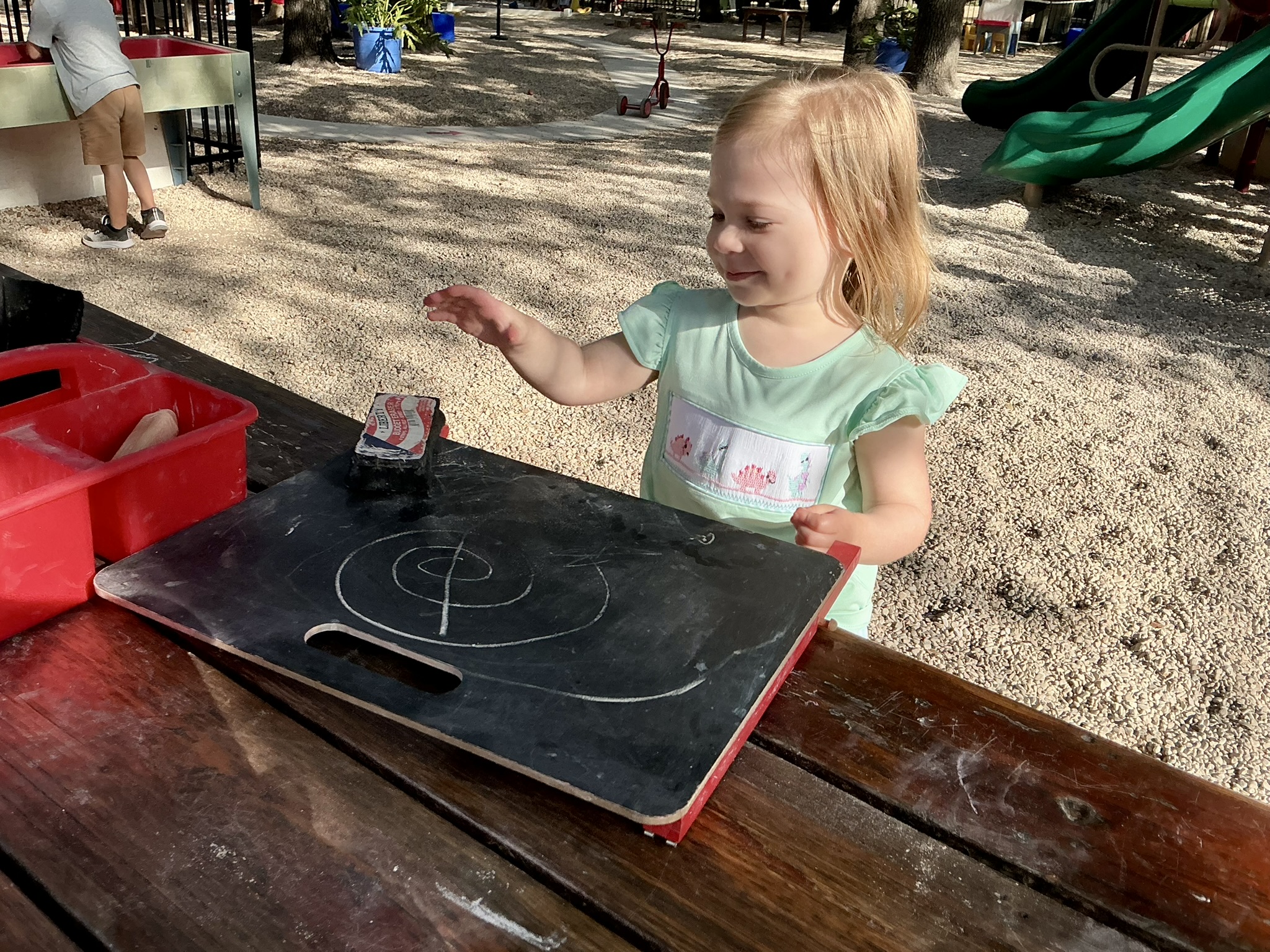
📋The 10–15 Minute Survival Guide: Screen-Free Ideas for Busy Parents
Supporting development doesn't mean entertaining your child every minute. Independent play is a skill children build gradually, and simple activities can give them something meaningful to explore while you work nearby.
1. The Busy Basket
Keep a small basket of blocks, chunky puzzles, books, or toy vehicles that you rotate every few days.
Builds: Problem-solving, fine motor skills, and independent play.
2. The Art Station
Offer paper, washable crayons, or large stickers. Invite your child to draw anything they imagine rather than copying a finished example.
Builds: Creativity, fine motor control, and decision-making.
3. Pretend Play
Set up a restaurant, garage, or veterinary clinic using toys you already own. Give your child a simple idea and let them create the story.
Builds: Language, imagination, and social-emotional skills.
4. The Sorting Challenge
Offer large, safe toys to sort by color, size, or type. For older preschoolers, ask if they can find another way to sort them.
Builds: Early math, attention, and flexible thinking.
5. The Nature Hunt
From a safe spot, invite your child to find something green, notice a bird, or look for moving clouds. Talk about discoveries when you're finished.
Builds: Curiosity, observation, vocabulary, and attention.
A little preparation goes a long way. Keep two or three activities ready, rotate materials, and choose options your child can use safely with the supervision they need.
Some days, an activity may last 15 minutes. Other days, it may last three. That's normal! Independent play develops over time.
"A screen can introduce an idea. Real-world experiences help children explore it."
📺When You Do Use a Screen, Make It Count
Screens can introduce children to music, stories, nature, vocabulary, and new ideas. Video calls can maintain family relationships, and high-quality educational programs can reinforce learning.
The goal is to choose content intentionally and connect it to real life.
Look for shows that:
- Have a manageable pace: Clear storylines, natural pauses, and fewer rapid scene changes or startling sound effects give children time to process what they see.
- Use meaningful language: Stories, repetition, songs, and clear vocabulary support comprehension.
- Model positive relationships: Characters who show kindness, express feelings, and solve problems provide opportunities for conversation.
- Are age-appropriate: Consider themes, emotional intensity, sounds, and your child's individual needs.
Preview episodes when possible; not every episode will suit every child.
Whenever practical, watch together. Ask questions, talk about the characters, or try something from the show in real life.
A screen can introduce an idea. Real-world experiences help children explore it.

A Final Thought: Connection Over Perfection
The early years aren't about making every moment educational or creating a perfectly screen-free childhood. They're about giving children time, relationships, and opportunities to grow.
When children play, they practice thinking. When they talk with us, they develop language. When they navigate disagreements, they learn about relationships. When they struggle and try again, they build persistence.
And parents need time, too.
You can value play-based learning and still turn on a show while preparing dinner. You can make thoughtful choices without feeling guilty every time a screen is used.
At St. Mark ELC, we believe children grow through meaningful relationships, hands-on exploration, and learning through play. Our goal is to help families feel encouraged and equipped, not overwhelmed by another parenting rule.
The next time you reach for the remote, consider two questions:
Is this screen time serving a purpose right now? And what opportunities can I offer my child when the screen is off?
Sometimes the answer will be a favorite educational show. Sometimes it will be a basket of blocks, a stack of books, or a pretend restaurant run by stuffed animals.
Childhood doesn't need to be perfectly screen-free to be rich in learning. It needs time to play, space to explore, and people who are present along the way. ❤️
References and Further Reading:
1. Mallawaarachchi, S., Burley, J., Mavilidi, M., et al. (2024). “Early Childhood Screen Use Contexts and Cognitive and Psychosocial Outcomes: A Systematic Review and Meta-analysis.” JAMA Pediatrics, 178(10), 1017–1026.
https://doi.org/10.1001/jamapediatrics.2024.2620
2. Madigan, S., McArthur, B. A., Anhorn, C., Eirich, R., & Christakis, D. A. (2020). “Associations Between Screen Use and Child Language Skills: A Systematic Review and Meta-analysis.” JAMA Pediatrics, 174(7), 665–675.
https://doi.org/10.1001/jamapediatrics.2020.0327
3. Brushe, M. E., Haag, D. G., Melhuish, E. C., Reilly, S., & Gregory, T. (2024). “Screen Time and Parent-Child Talk When Children Are Aged 12 to 36 Months.” JAMA Pediatrics, 178(4), 369–375.
https://doi.org/10.1001/jamapediatrics.2023.6790
4. Lillard, A. S., & Peterson, J. (2011). “The Immediate Impact of Different Types of Television on Young Children's Executive Function.” Pediatrics, 128(4), 644–649.
https://doi.org/10.1542/peds.2010-1919
5. American Academy of Pediatrics. (2016). “Media and Young Minds.” Pediatrics, 138(5), e20162591.
https://doi.org/10.1542/peds.2016-2591
6. World Health Organization. (2019). Guidelines on Physical Activity, Sedentary Behaviour and Sleep for Children Under 5 Years of Age.
https://www.who.int/publications/i/item/9789241550536
***Research note: Many studies identify associations rather than proving cause and effect. Children's development is influenced by many factors, including sleep, temperament, family relationships, content, and opportunities for play and interaction. These recommendations are intended to support informed choices, not to predict outcomes for individual children.