🌱 Why Your Child’s “Big Feelings” Are Actually Big Growth
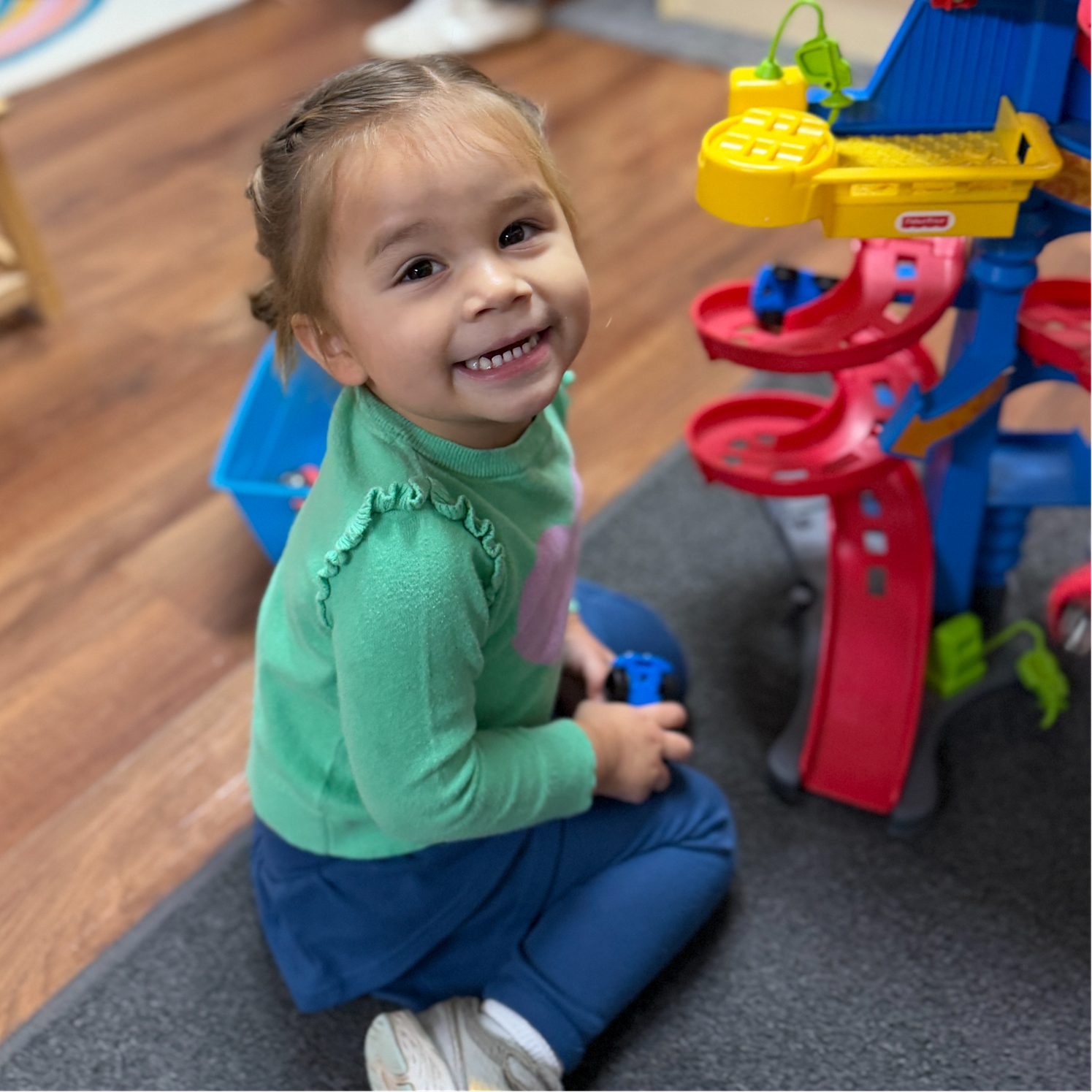
If you’re parenting a child between 18 months and 5 years old, chances are you’ve experienced it: the tears over the wrong color cup, the dramatic collapse in the grocery store aisle, the sudden clinginess at drop-off, or the emphatic “NO!” to something they happily agreed to yesterday.
It can feel exhausting. Confusing. Sometimes even concerning.
But here’s the reassuring truth: big feelings are not a sign that something is wrong they’re a sign that your child is growing.

Why Toddlers & Preschoolers Have Such Intense Emotions
Young children feel emotions just as deeply as adults, sometimes even more intensely. The difference? Their brains are still under construction.
The part of the brain responsible for reasoning, impulse control, and emotional regulation (the prefrontal cortex) is still developing. Meanwhile, the emotional center of the brain is fully active. That means feelings come fast and strong, and the skills to manage them are still catching up.
In simple terms:
You know the old saying, “It’s not you, it’s me?”
When it comes to young children and their big emotions, that sentiment actually rings true.
It’s not about them giving you a hard time, they’re having a hard time.
It’s about a developing brain that doesn’t yet have the tools to pause, process, and respond calmly. It’s about emotions that feel enormous inside a very small body.
It’s an overwhelmed nervous system. A brain still learning how to handle disappointment, frustration, and change.
And in those moments, if we shift from asking, “Why are they acting this way?” to wondering, “What skill are they still learning?” everything changes. The moment becomes less about correcting behavior and more about teaching regulation, resilience, and trust.
What Emotional Regulation Looks Like at Each Age
Emotional growth doesn’t happen overnight. It unfolds gradually:
At 2 years old:
Emotions are immediate and physical. Hitting, throwing, crying, or dropping to the floor are common ways to express frustration. Words are limited, so behavior does the talking.
At 3 years old:
They begin to use more language but still struggle with impulse control. You may hear, “I’m mad!” right before the block tower gets knocked over.
At 4 years old:
They start recognizing feelings in themselves and others. They may calm down faster but still need support to do it.
At 5 years old:
You’ll see growing self-control, problem-solving, and empathy. They can often talk through feelings though tough days still happen.
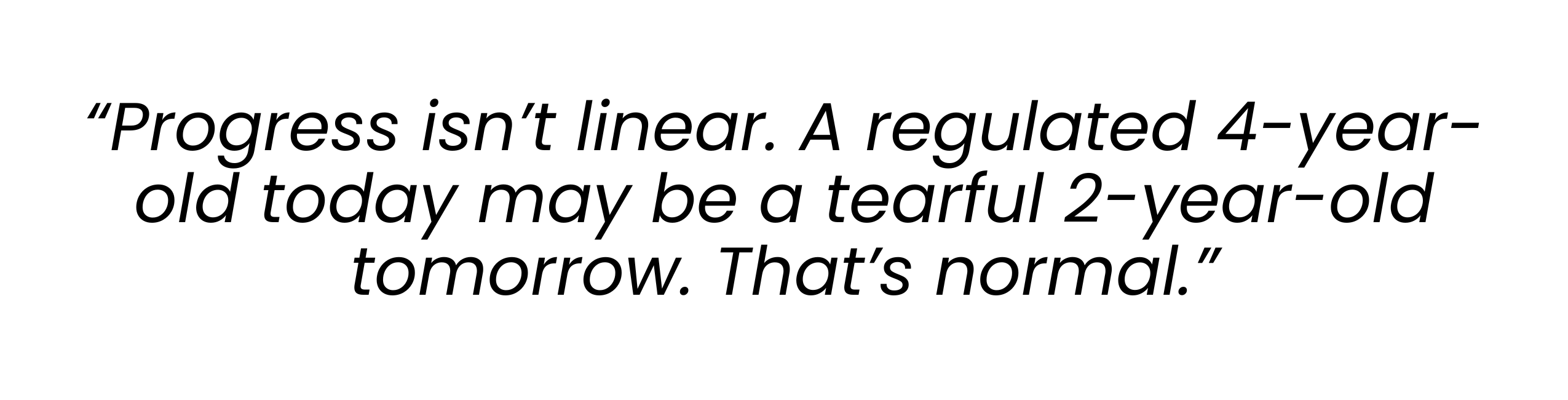
Progress isn’t linear. A regulated 4-year-old today may be a tearful 2-year-old tomorrow. That’s normal.

Simple Phrases That Help During Meltdowns
When emotions are high, logic won’t land. Connection will.
Try phrases like:
- “I see you’re really upset.”
- “It’s hard when things don’t go the way you want.”
- “I’m here with you.”
- “You’re safe.”
- “Let’s take a deep breath together.”
These responses don’t “give in” to the behavior. They teach your child that feelings are manageable and that they’re not alone in them.
Calm is contagious. When you regulate yourself first, you model how regulation looks.

The Power of Consistency & Calm
Children feel safest when adults are predictable.
Clear boundaries paired with calm responses build trust. When a parent consistently says, “I won’t let you hit. Hitting hurts,” while gently holding a boundary, a child learns both safety and limits.
Over time, this steady response wires the brain for self-control. What feels repetitive to you is actually powerful brain-building work for them.
How Early Childhood Programs Support Social-Emotional Growth
High-quality early childhood environments intentionally teach social-emotional skills.
Teachers model language for feelings.
They guide children through problem-solving.
They practice taking turns, sharing, waiting, and repairing friendships.
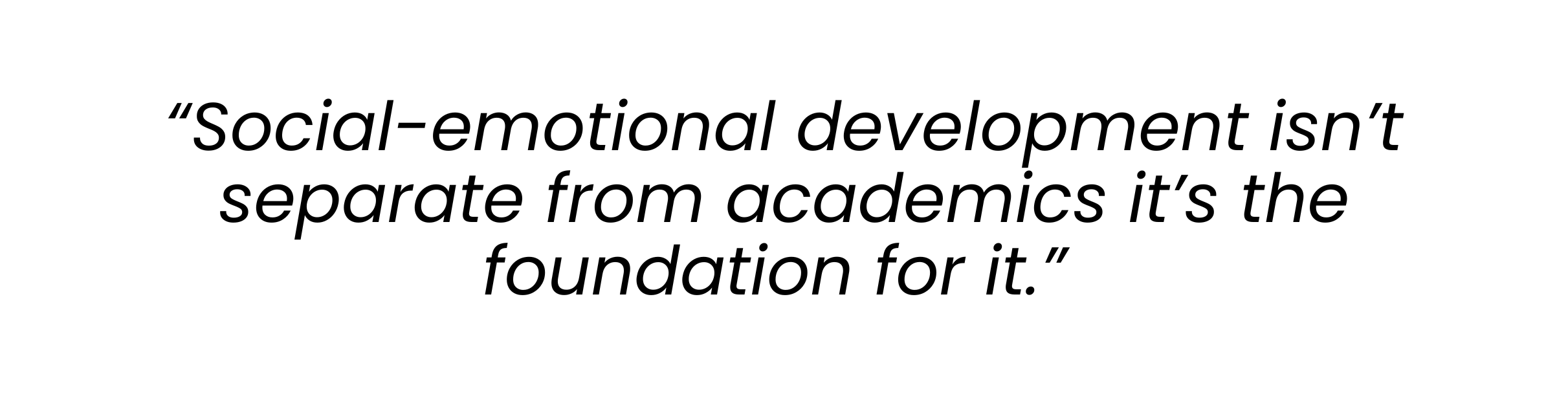
Social-emotional development isn’t separate from academics it’s the foundation for it. A child who can regulate emotions, handle frustration, and build relationships is better prepared to learn, explore, and thrive.
Programs aligned with standards from organizations like the National Association for the Education of Young Children and Texas Rising Star emphasize the importance of these early emotional skills as the building blocks for lifelong success.

A Gentle Reminder for Parents
If your child is having big feelings, it doesn’t mean you’re failing. It means they trust you enough to have them in front of you.
These early years are not about eliminating tantrums. They’re about teaching children what to do with their emotions.
And that takes time.
One calm response at a time.
One repeated boundary at a time.
One reassuring hug at a time.
Big feelings today are building emotional strength for tomorrow. 🌿